Female Pleasure

It’s never too late to get empowered and own your sexuality. Below are some facts to spark your inner strength.

Fact every woman should know:

  • 80% of women can’t orgasm from penetrative sex alone. The clitoris plays a massive part in female pleasure.
  • It is perfectly normal and natural for a female to masturbate, just like a male.
  • Sex shouldn’t / doesn’t have to hurt for the female. Pain usually comes from a tear in the vaginal wall due to lack of lubrication and can easily be avoided with store-bought lube.
  • There is NOTHING wrong with a female having many sexual partners. The societal norm that men can sleep around but women shouldn’t is incredibly out dated.
  • Faking orgasms can have a lasting, damaging effect on your body.
  • Going into sex before the female body is fully ready can create trauma in the body which can present itself as numbness or pain.

Below is some essential reading around female pleasure for adults. These books have the Generation Feminist stamp of approval and will help with self-love as well as your sex life.

Come as you are – Emily Nagasaki. Editor’s comment: “This book has opened my eyes and changed my relationship with my own body. Emily shares the reasoning behind why we fake orgasms, prioritise our partners, and why some women have never looked at their vulvas. You won’t regret reading this book!”

Language around women and sex

We need to talk about the out-dated and sexist terms that are firmly placed in our vocabulary when we talk about sex as well as casual sexism in day-to-day life.

Students should take time to consider whether or not they are using derogatory terms in their day-to-day life and learn how to call someone out if they are using wrong language.

The below video MUST BE shown to students! Every student should be encouraged to call out behaviour in their friends. TW: contains swearing and references rape and sexual assault.

Daniel Sloss, comedian giving a TedX talk on someone he knew for eight years that raped one of his friends. He encourages males to talk to their friends about their behaviour towards women. Video contains swearing and references rape.

Credit to JUST via Facebook. This video is available at: https://www.facebook.com/watch/?v=310823971091542

Students can work through the below worksheets and scenarios to begin conversations on calling out behaviour in friends, family and co workers.

Examples of casual sexism:

  • Mansplaining – this is when a man explains something in a condescending way, assuming that the woman is not aware of the information they are sharing. It is very frustrating.
  • The waiter handing the food bill to the male. Frustrating on both sides.
  • Male strangers calling woman “sweetie” or “darling” or “love”.
  • Saying how good a male is for being active in a child’s life when it is expected of women.
  • Shaming women for choosing a career over having a baby.
  • Claiming a woman is on her period when she is in a bad mood or is angry at someone/something.
  • Catcalling or wolf whistling.
  • Commenting on a woman’s body and expecting her to take it as a compliment instead of harassment.
  • Joking about gender stereotypes and telling women not to get annoyed because ‘it is only a joke’ e.g. women belong in the kitchen, are bad drivers etc.

What can be done to erase casual sexism and out-right inappropriate behaviour?

  • CALL OUT THIS BEHAVIOUR IN YOUR FRIENDS, FAMILY AND COLLEGUES. Don’t let catcalling or sexist jokes in your friendship group go without someone saying something and calling them out out on inappropriate behaviour.
  • Think before you speak.
  • Apologise for past behaviour.
  • Talk to your female friends and colleagues.

A great way to further explore this topic is with unconscious bias tests. The Implicit Project run by Harvard University have great tests to look at unconscious bias.

Scenarios:

file

Language around sex:

References:

Male v Female Sexuality

There are many similarities in how men and women present their sexuality. For women, we’ve been taught all our lives to suppress our sexuality and to hide any kind of desires we may have. But the below myth buster worksheet is a great way to start a conversation with young adults about the similarities and differences in male and female sexuality.

A great way to get young people to talk is for them to submit anonymous questions either online through Padlet or through writing questions on a piece of paper and putting them in a questions box.

Bodily Fluids

It’s time to break the stigma around bodily fluids, especially in females. Students should leave the session with no shame about what naturally happens in their bodies.

Topics that need to be discussed:

  • Periods – this is covered a lot in schools already but girls should be reassured about the varying consistency and colour periods can have and know that they can get help for heavy periods and period pain.
  • Vaginal discharge – this is the natural process of the vagina cleaning itself. It is so important to let young women (and young men) know that this is natural and completely normal. It is nothing to hide or be ashamed of and women should do very little to clean their vulva themselves as products can affect the PH of the vagina and vulva and cause irritation. The colour and consistency of vaginal discharge changes along with the menstrual cycle.
  • Smells – our bodies work hard so are going to produce odours. Keeping ourselves clean is important but nobody can completely erase the natural smells our body produces. Girls should be informed that THERE’S NO SUCH PRODUCT THAT CAN MAKE THEIR VAGINA SMELL OR ‘TASTE’ BETTER. Some companies – especially on Instagram – advertise that their products can alter the smell / taste of the vagina. These products do not work and can contain harmful chemicals not needed in the body. There is no need for girl’s to be insecure about this part of their body.

Potential lesson around this topic:

Teachers should be able to have open and honest discussions with students. Asking students to submit anonymous questions is always a good way to begin this. Padlet is a great resource for this.

STI symptoms and treatments

“Sexually transmitted infections (STIs) are passed from one person to another through unprotected sex or genital, oral or anal contact” (NHS, 2022).

While students are told to prevent STIs through the use of protection, there needs to be more of a discussion about what can be done if a student suspects they have an STI. Students should also be made aware about the damaging long-term effects of having certain STIs.

Young women should be taught about weeing after having penetrative sex and about urinary tract infections (more below).

See the information below or pass round the Generation Feminist STI Factsheet.

Chlamydia and Gonorrhoea

Chlamydia is the most common STI in young adults. These bacterial infections are different but present similar symptoms and treatments. Tests for these particular STIs can be ordered online for people who can’t get to their GP or nearest sex clinic.

Symptoms:

  • Pain or burning sensation when you urinate
  • Unusual discharge
  • Bleeding between periods (women only)
  • Pain in the lower adbomen during or after sex (women only)
  • Pain the testicles (men only)

Treatments:

  • Antibiotics prescribed by a GP

HIV

Flu-like symptoms present themselves with HIV however most people don’t experience any symptoms until later on. HIV attacks the immune system, eventually developing into aids. There is currently no cure for HIV but there are treatments to help people with a positive result live long, normal lives.

If you have come into contact with someone’s blood or had unprotected sex, it is smart practice to get checked for HIV. It can be tested for doing a simple blood test at your local GP or sex clinic.

Non STI infections

Thrush can have similar symptoms to an STI. Itchiness in the genitals and unusual discharge can be a sign. Thrush can usually be treated with over-the-counter treatment however most places would like you to have checked for STIs beforehand.

Urinary Tract Infection (UTI) is common in women but can also occur in men. Women should take care to urinate after having penetrative sex in order to clear the urinary tract of any semen or foreign bodies that could cause infection. Symptoms of a UTI commonly see you feel in constant need of a wee and a painful, burning sensation when you do. A UTI must be treated with antibiotics from your GP, if left untreated it could cause damage to your kidneys and bladder.

References:

Language around sex

Students should talk about the language they are using to describe sex and what can be considered derogatory and potentially sexist.

Casual sexism is something that most people don’t realise they are doing and aren’t doing it intentionally, however that is part of a bigger problem. See the worksheet below on language around sex:

Having a conversation on casual sexism is the first step to reducing it and creating awareness. It will also give students – male and female – the confidence to call out sexist terms.

See our casual sexism page for everyday scenarios.

Labia Factsheet

Download it below.

The vulva refers to all female genitals. The vagina refers to the inner canal that runs from the cervix to the vaginal opening. There are two types of labia (sometimes called lips) – inner and outer.

See below the different types of labia:
Every shape, size and colour – all completely normal and natural.

Facts about labia:

  • It is normal to have hair on your labia.
  • The types of labia in pornographic images or videos are less common than other types of labia.
  • The labia minora (inner lips) is more sensitive than your labia majora (outer lips). This should only ever be washed with water and not soaps or products.
  • Your labia can change colour throughout the day.
  • Sex does not change the shape of your labia.
  • Labia protect your vagina and urethra from harm – so love your labia. They do a lot for you.

Contraception

For Young Adults

Find a downloadable pdf of our contraception sheet below.

Or check out the round up below:

The Pill (Combined and Prog-only)

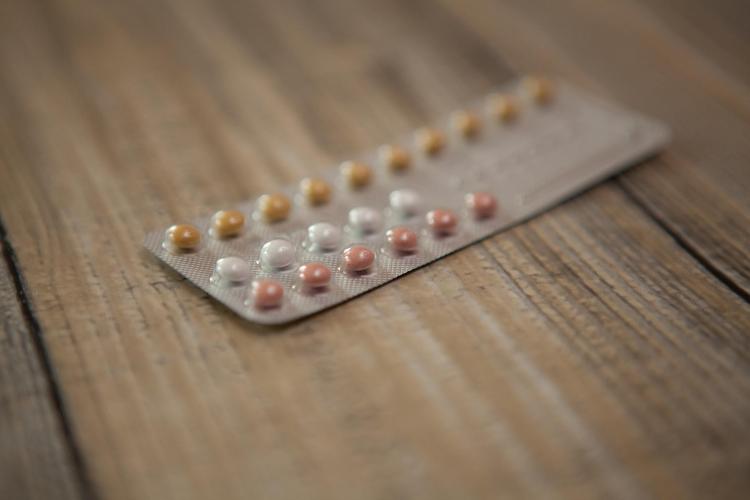
Combined: 99% effective when used correctly. Take one a day for 21 days then a 7 day break. Works by preventing an egg from being released.

Progesterone-only: 91% effective when used correctly. Take one a day continuously. No break. Works by thickening mucus lining in the uterus to prevent sperm getting through.

Both come with hormonal side effects and an increased risk of cervical cancer. Both are free from your GP and some pharmacies over the counter.

A check up is needed every 6 – 12 months to measure blood pressure.

NHS LINK: https://www.nhs.uk/conditions/contraception/combined-contraceptive-pill/

AND

https://www.nhs.uk/conditions/contraception/the-pill-progestogen-only/

Condoms

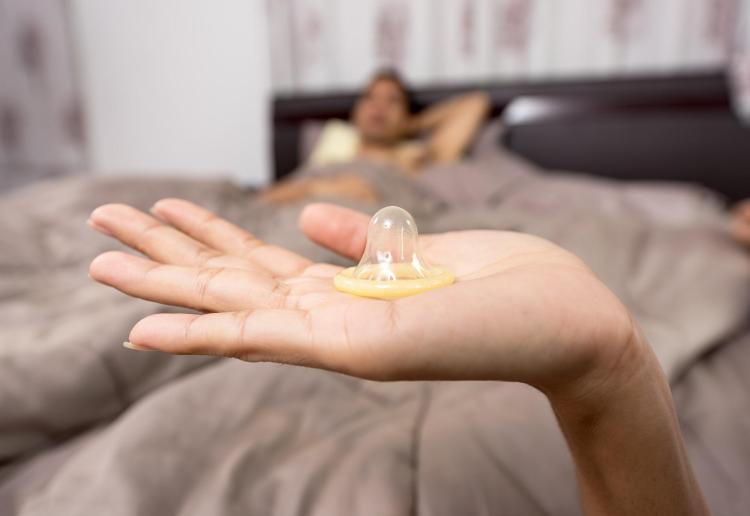
98% effective when used correctly.

Some people may claim that wearing a condom is uncomfortable or they ‘don’t like wearing one’ but it is the only form of contraception that protects against STIs.

IT IS A SEXUAL OFFENCE TO REMOVE A CONDOM DURING SEX WITHOUT KNOWLEDGE OR CONSENT FROM YOUR PARTNER.

Storage and use by dates are essential to ensuring condoms don’t tear or come off during sex.

Condoms are free from sexual health clinics or from your school nurse. They can be bought from most supermarkets after leaving school.

NHS LINK: https://www.nhs.uk/conditions/contraception/male-condoms/

The Implant

Over 99% effective.

Small, flexible tube inserted under the skin in the female’s upper arm.

Gradually releases progesterone which thickens uterus lining to prevent sperm getting through. Implant lasts for 3 years.

NHS LINK: https://www.nhs.uk/conditions/contraception/contraceptive-implant/

Photo by Reproductive Health Supplies Coalition on Unsplash

Contraceptive Injection

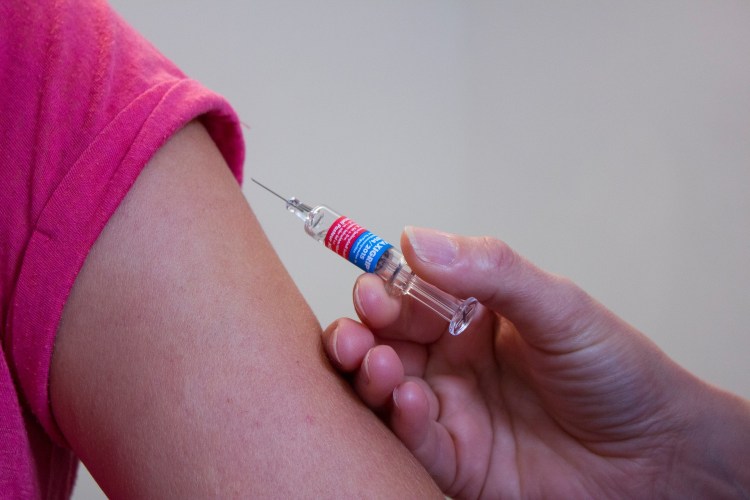
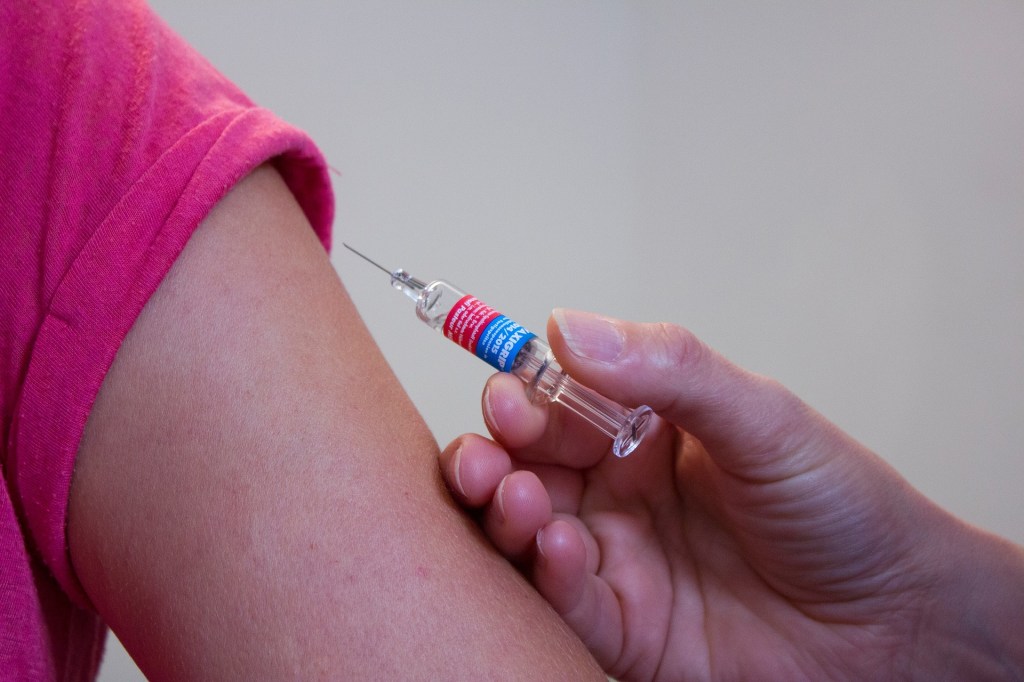
Over 99% effective and lasts between 8 – 13 weeks.

Gradually releases progesterone in the body, stopping an egg from being released and preventing sperm getting through.

Administered for free by GP or nurse at your GP.

NHS LINK: https://www.nhs.uk/conditions/contraception/contraceptive-injection/

IUD (The Coil)

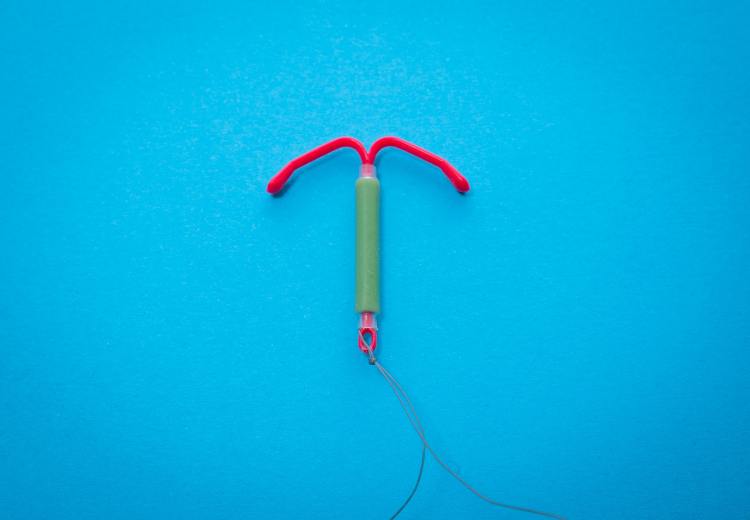
A small, T-shaped, plastic and copper device that releases copper into the womb to prevent pregnancy.

Is over 99% effective and lasts between 5 – 10 years.

Can be painful to fit and could lead to pelvic infection.

NHS LINK: https://www.nhs.uk/conditions/contraception/iud-coil/

Contraception

Lesson plan

Students should be made aware of longer-term contraception, their risks, costs, and effectiveness.

Find the downloadable Generation Feminist PDF on contraception below.

The NHS website has specific facts and figures and can be found here.

The Pill (Combined and Prog-only)

91% – 99% effective when taken correctly. Students should be made aware of the risks associated with the pill and the responsibility of taking it correctly.

Side effects should be honestly outlined as well as how the pill works.

There are two types of pill and both should be discussed and shared how they work to stop pregnancy.

NHS LINK: https://www.nhs.uk/conditions/contraception/combined-contraceptive-pill/

AND

https://www.nhs.uk/conditions/contraception/the-pill-progestogen-only/

Condoms

98% effective when used correctly.

Students should be told about the new law against condoms being taken off without knowledge or permission of the male’s partner.

Storage and use by dates are essential to ensuring condoms don’t tear or come off during sex.

NHS LINK: https://www.nhs.uk/conditions/contraception/male-condoms/

The Implant

Over 99% effective.

Small, flexible tube inserted under the skin in the female’s upper arm.

Gradually releases progesterone and lasts for 3 years.

NHS LINK: https://www.nhs.uk/conditions/contraception/contraceptive-implant/

Photo by Reproductive Health Supplies Coalition on Unsplash

Contraceptive Injection

Over 99% effective and lasts between 8 – 13 weeks.

Gradually releases progesterone in the body, stopping an egg from being released.

Administered by GP or nurse at your GP.

NHS LINK: https://www.nhs.uk/conditions/contraception/contraceptive-injection/

IUD (The Coil)

A small, T-shaped, plastic and copper device that releases copper into the womb to prevent pregnancy.

Is over 99% effective and lasts between 5 – 10 years.

Can be painful to fit and could lead to pelvic infection.

NHS LINK: https://www.nhs.uk/conditions/contraception/iud-coil/